Discovering Your Narrative Voice
Auditing and revising an existing course for a secure, closed-platform learning environment serving justice-involved learners.
- ADDIE
- Trauma-Informed
- UDL
- Cognitive Load
- Learner Autonomy
- Constructivism
- Kirkpatrick
- Accessibility (WCAG)
Course content on a secure learning platform assumes the learner can already operate the device it's delivered on. For a meaningful portion of this population, that assumption doesn't hold. Some learners are encountering a touchscreen for the first time as adults — three of the four barriers below are purely environmental (the device, the platform, the room); the fourth is the psychological one sitting underneath all of them: real consequences for visible failure in front of peers or staff.
This kind of friction, from a real learner →
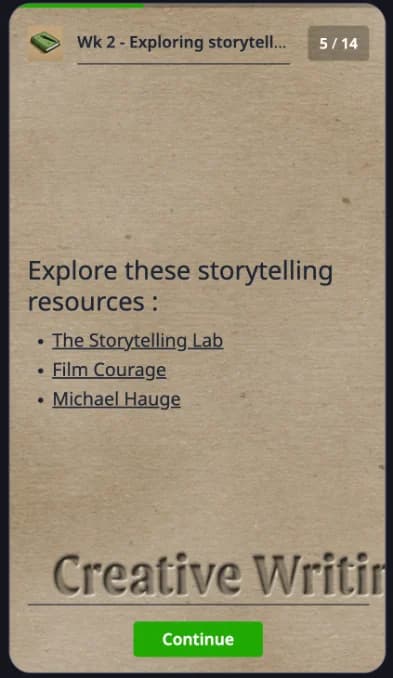
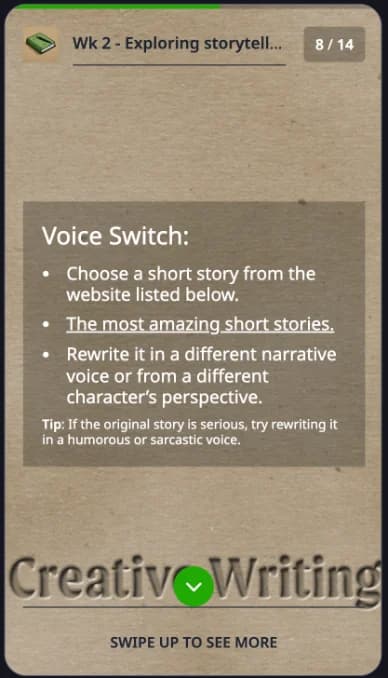
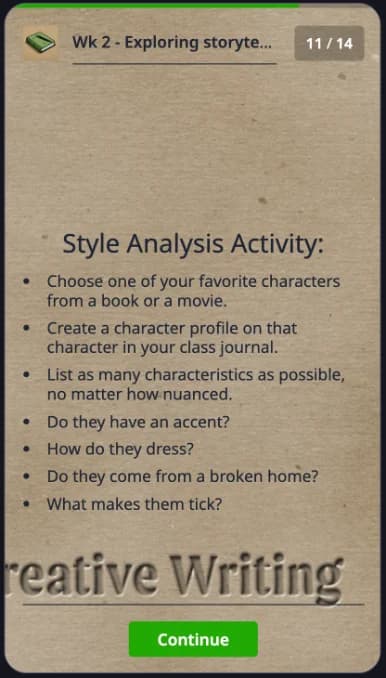
Built, Not Just Proposed
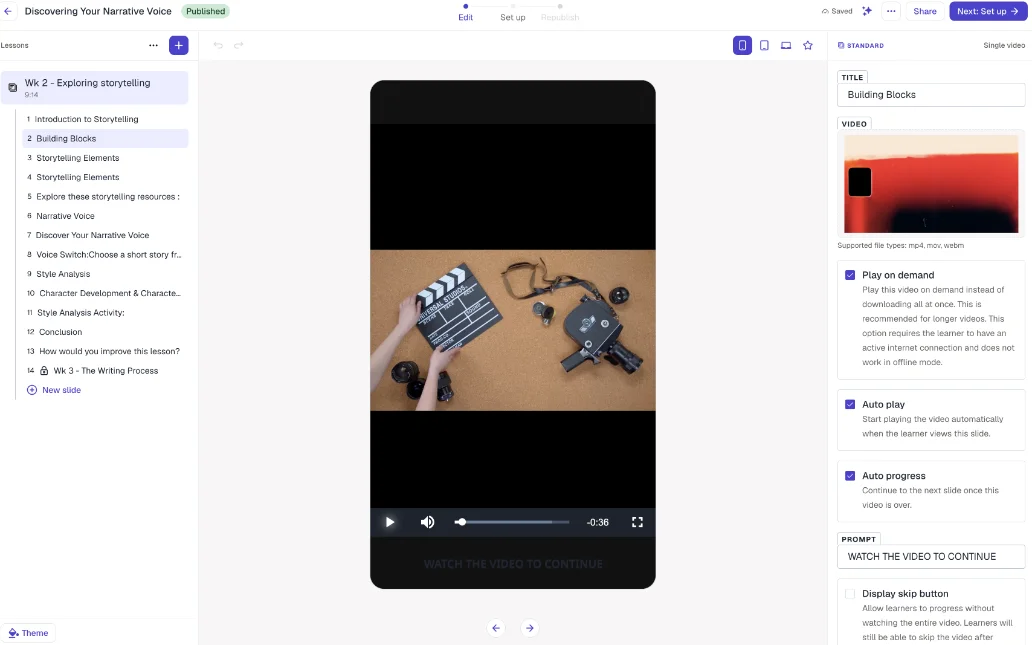
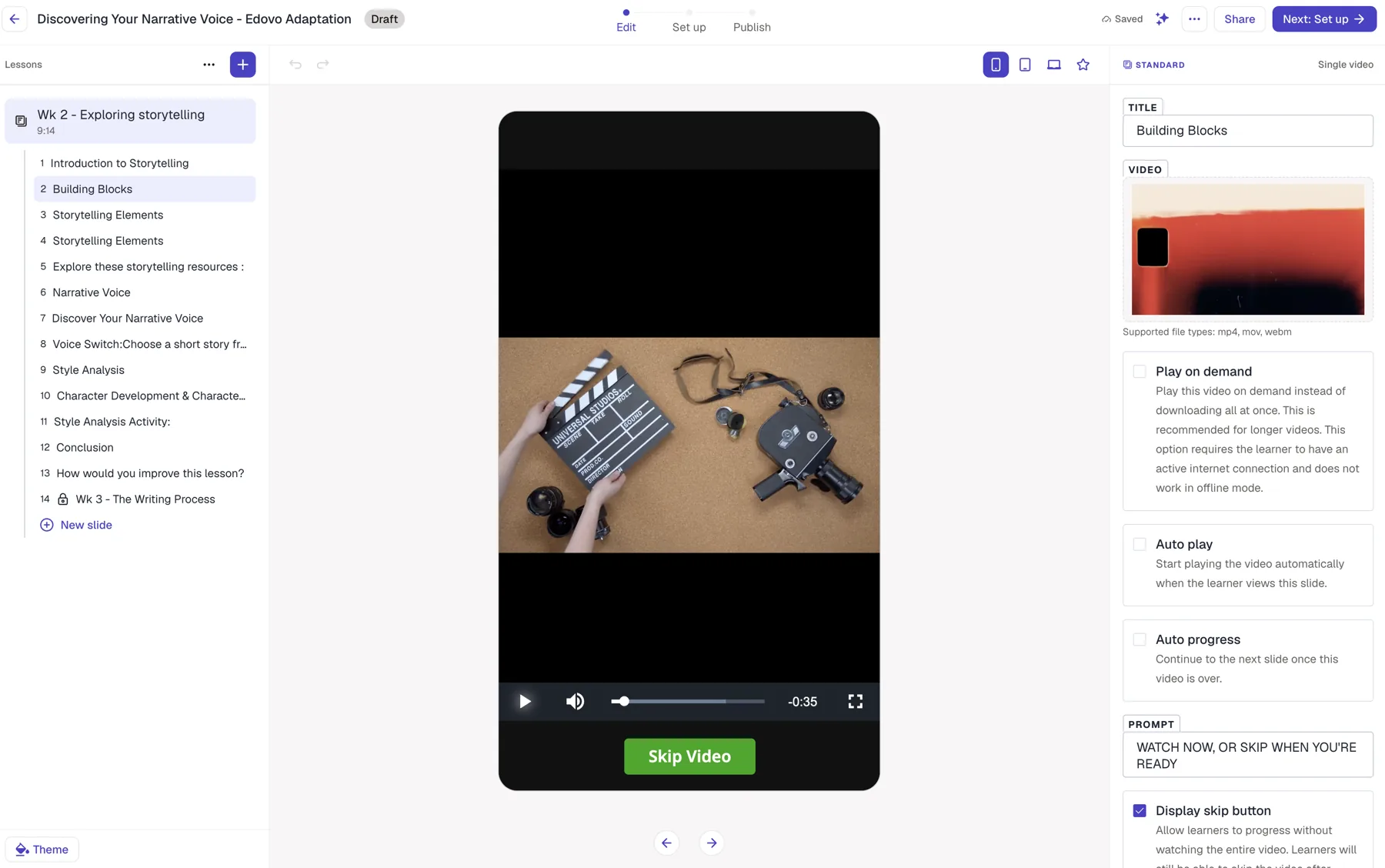
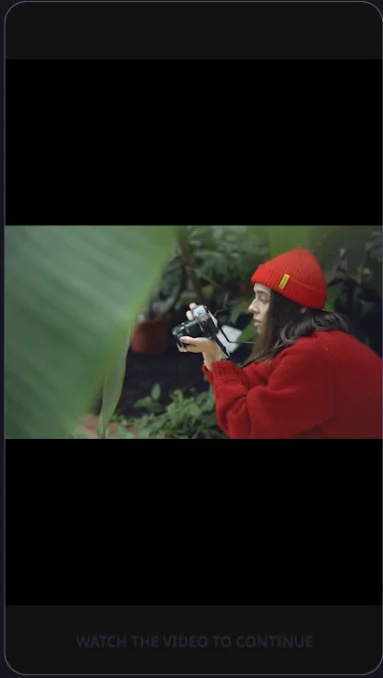
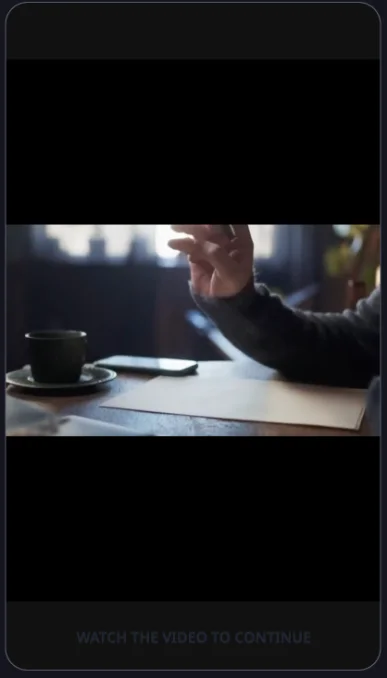
Play on demand, Auto play, and Auto progress all off; skip button enabled; prompt reworded. Learner now controls when the video plays and whether they continue watching or move on.
Average score: 1.8 of 4.Reflecting real strengths in a few categories alongside specific, fixable failures. The rubric doesn't just confirm what was found; it shows the original module wasn't uniformly weak.
A learner's sense of safety, trust, and willingness to make a visible mistake is shaped by what a screen looks and feels like before they read a single word of content on it. That makes aesthetic and interaction choices instructional decisions, not cosmetic ones layered on top.
Not every outcome is measurable on a platform built around learner privacy. Activities are written on paper by design, so the deepest measures of whether the skill actually landed aren't visible to the platform, and that's treated as the design working as intended, not a data gap to route around.
Completion rates, where learners drop off, and whether they actually use the new skip controls. Each tied to a specific hypothesis from the original audit, checked after the first cohort and quarterly after that.